

The silence of guns is not the absence of war
Benson Ocen on growing up through the LRA conflict, founding I Live Again Uganda, and why mental health care must stay with the people who survived the war.
Published on
24 September 2026
Stories
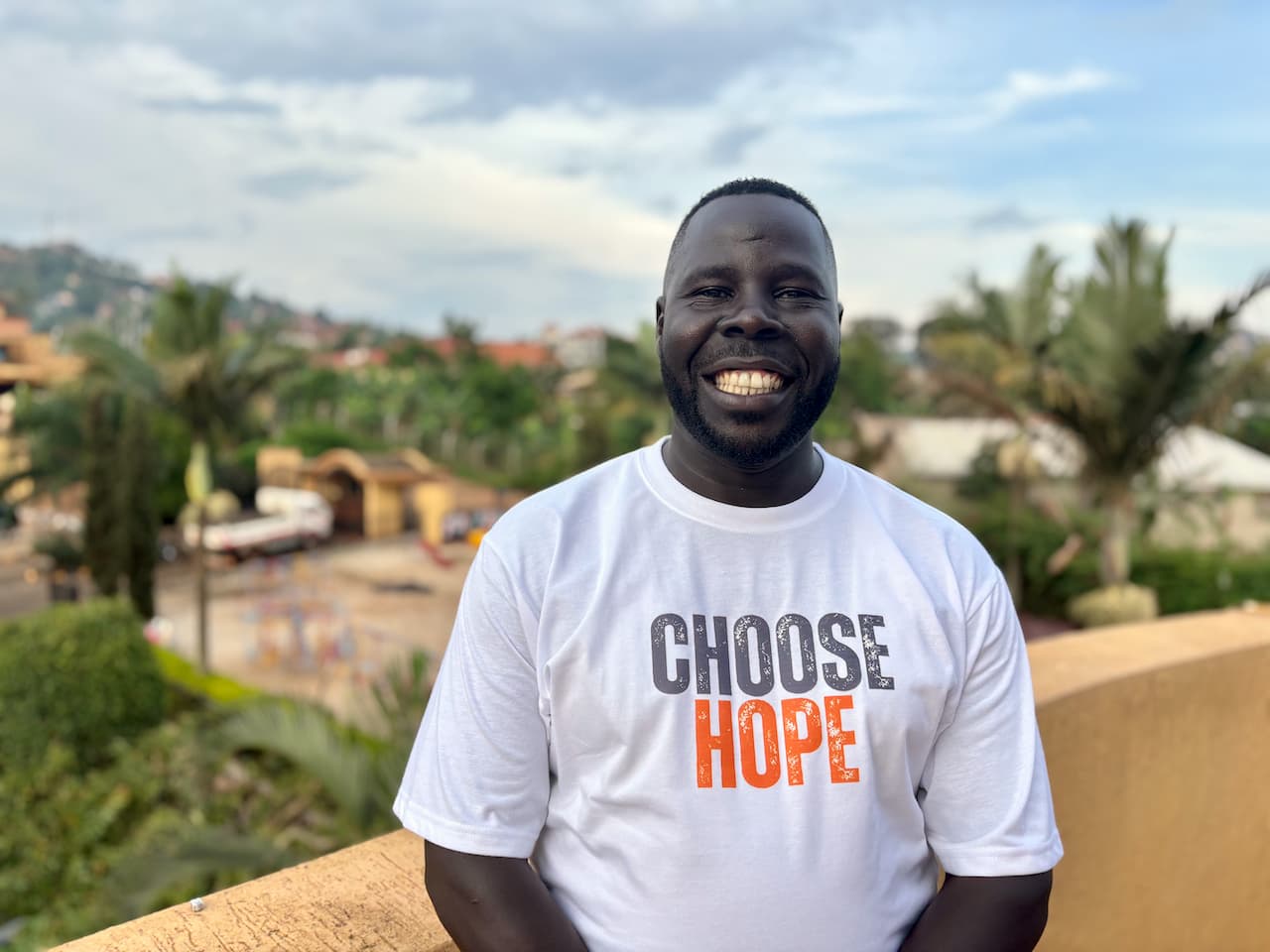
Benson Ocen was a child in northern Uganda when the Lord's Resistance Army tore through villages, schools, and families. The fighting eventually receded. The nights did not.
"The silence of guns is not the absence of war," he says. Long after the last shot, people still carried grief they had no language for, and children who had survived abduction were expected to simply go home.
In 2008, Benson and Ruth Ocen founded I Live Again Uganda as a response to that unfinished war. Trained by clinical psychologist Dr. Robi Sonderegger, Benson built a trauma care model rooted in faith, community, and cultural sensitivity , counselling that could happen under a mango tree, in a church, or beside a settlement clinic.
That work has grown into the Global Mental Health Alliance. The centre of gravity remains in northern Uganda: training local leaders, walking with refugees and returnees, and insisting that mental health is a human right, not a luxury flown in from elsewhere.
Benson still tells the same story he told at the beginning. Healing is slow. It looks like a young person who can sleep through the night again. It looks like a faith leader who knows how to listen. And it looks like communities that refuse to let the silence of guns be mistaken for peace.